
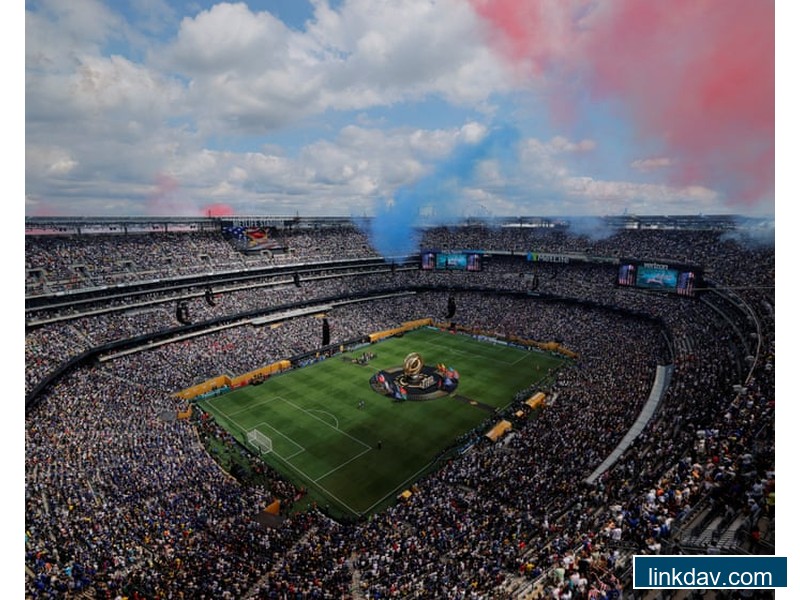
"Football without fans is nothing."
Jock Stein’s immortal words used to feel like a fundamental truth, a commandment carved into the bedrock of the sport. Today, however, they read more like an epitaph. If you wanted a clear signal that the game has finally, irrevocably shifted from a community asset to a luxury commodity, FIFA just delivered it with the subtlety of a sledgehammer. The revelation that tickets for the 2026 World Cup final could demand upwards of £3,000 isn’t just a price hike; it is a calculated foreclosure on the dreams of the legacy supporter.
We aren't talking about inflationary adjustments here. We are witnessing a five-fold increase compared to Qatar, a tournament already criticized for its inaccessibility. When Football Supporters Europe (FSE) brands this a "monumental betrayal," they aren't using hyperbole. They are identifying a strategic pivot where the noise, passion, and colour of the terrace are being traded for the sterile, high-net-worth silence of the hospitality suite.
The Economics of Exclusion
To understand the gravity of this situation, you have to look past the sticker shock and examine the structural shift. FIFA is effectively applying a "Super Bowl model" to the global game. The North American market is accustomed to astronomical entry fees for premier sporting events, and Infantino’s regime is banking on that cultural acceptance to drive revenue through the roof.
But football is tribal. It relies on the traveling contingent—the England fans who sleep in train stations, the Argentina supporters who sell their cars to fly halfway around the world. By pricing the top-tier packages at a staggering $16,590 (£12,375), FIFA is filtering out the very demographic that creates the product's value: the atmosphere.
The Tactical Impact of the 'Prawn Sandwich' Crowd
Does the crowd influence the tactics? Absolutely. Ask any manager about the difference between playing at a vibrating Anfield on a European night versus a sterile exhibition match. When you price out the die-hards, you alter the auditory landscape of the match.
If the 2026 stands are filled with corporate guests and casual observers who can afford the £3,000 price tag, the frantic, high-pressing intensity fueled by crowd adrenaline may dissipate. We could be heading toward a "theatre" environment—polite applause, selfies, and half-speed football. The 12th man isn't just a cliché; it's a tactical variable. Remove it, and you sanitize the chaos that makes the World Cup unpredictable.
Why This Cuts Deeper Than Usual
- The "Dynamic" Threat: While these are face values, the fear is that dynamic pricing algorithms—now rampant in live entertainment—could push resale values into the stratosphere.
- Geographical Strain: Unlike Qatar, where travel costs were low once in-country, 2026 covers a continent. Fans already face thousands in flight costs between Miami, Toronto, and Mexico City. High ticket prices are the breaking point.
- The Extortion Label: The FSE using the word "extortionate" signals a potential organized pushback or boycott, shattering the image of unity FIFA craves.
"Football Supporters Europe... described the prices as 'extortionate' and called for an immediate halt to ticket sales after a day when England fans discovered that tickets... could cost up to $16,590."
The Verdict: A Soul for Sale
Is this the moment the rubber band snaps? For decades, fans have absorbed price hikes, subscription splinters, and kit costs because the emotional pull of the game was too strong to resist. But £3,000 for a single match feels like a line in the sand. It suggests that FIFA no longer views the World Cup as a global celebration of sport, but as a premium extraction event for the global elite.
If ticket sales are not halted and reassessed, as the FSE demands, 2026 will not be remembered for the football. It will be remembered as the tournament where the "People's Game" finally put up a "Members Only" sign. The stadiums may be full, and the coffers will certainly be overflowing, but the soul of the tournament? That might just be priced out of existence.