
**The Quote**: "Football without fans is nothing." — Jock Stein.
Stein’s aphorism is usually deployed to mourn the sterility of empty stadiums during the pandemic or to chastise greedy owners disconnecting from their roots. But in the context of the England women’s national team in 2025, that famous line takes on a confusing, paradoxical new dimension. Football without fans is nothing, certainly—but what is football with fans who have paid, yet simply exist as a statistic on a spreadsheet rather than a voice in the stand?
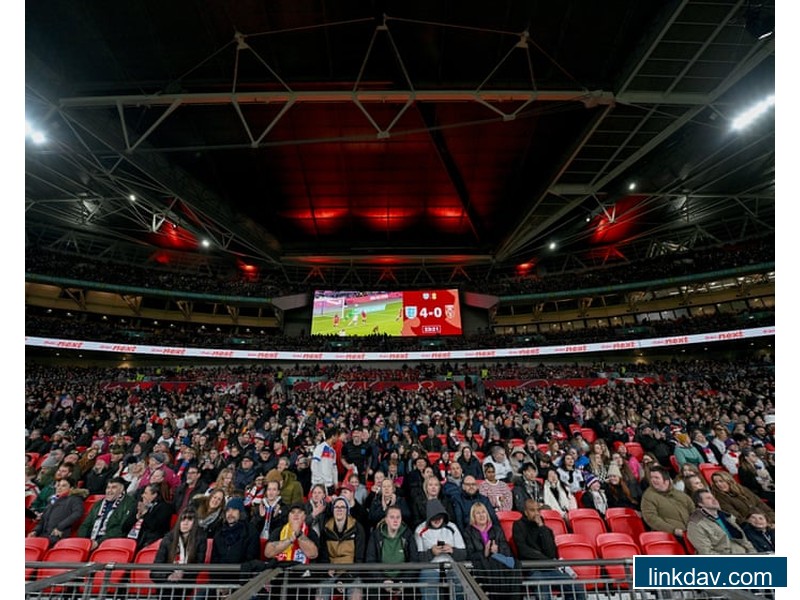
We are witnessing a fascinating, albeit frustrating, economic anomaly. The Lionesses are booming. They are the envy of the global game, riding the wave of a European title defence in Switzerland. Yet, across eight home fixtures in 2025, nearly **48,000 ticket holders** became ghosts. They bought the admission, they supported the cause financially, but they left their seats cold.
The Devaluation of Commitment
To understand this attendance gap, we must look at the uncomfortable relationship between price and fidelity. The FA has done a magnificent job democratizing access to the Lionesses. Tickets are affordable, family-friendly, and accessible. However, basic economics dictates that when the cost of entry is low, the cost of forfeiture is equally negligible.
"A £15 ticket is an intention. A £60 ticket is a commitment. The Lionesses are currently trapped in the zone of 'good intentions'."
If a family of four spends £200 on Premier League tickets, they are turning up through hail, sleet, or rail strikes. The sunk cost fallacy demands it. Conversely, if that same family spends £40 on four tickets to see England at Wembley, and one child wakes up with a sniffle, or the M25 looks particularly snarled, the decision to stay home is frictionless. The financial penalty is too soft to force the logistical effort.
The "Just in Case" Culture
This creates a secondary issue: hoarding. Because demand is high but prices are low, fans purchase tickets speculatively. It becomes a "just in case" purchase, much like a gym membership used only in January. This shuts out the hardcore fans who might have attended last-minute but found the "Sold Out" signs blocking the digital box office, only to see banks of empty red seats on television.
The Tactical Cost of Silence
Does this actually matter on the pitch? Absolutely. Sarina Wiegman is a manager who thrives on control, but her teams feed on energy. When England plays at Wembley, the opposition—often setting up in a stubborn low block—relies on the atmosphere flattening out to settle their nerves.
A crowd gap of 6,000 per game (averaging out that 48k figure) changes the acoustic dynamic. It creates pockets of silence. For a team that utilizes high-pressing triggers, often initiated by the roar of the crowd, the "no-show" phenomenon is a literal dampener on the intensity of the press. The Lionesses aren't just losing revenue (which is negligible given the ticket prices); they are losing the 12th player advantage that turned Wembley into a fortress during the 2022 Euros.
The Verdict: Growing Pains of a Superpower
So, what is the fix? It requires a shift in mentality from the FA—a move from "growth at all costs" to "value optimization." The Lionesses have outgrown the phase where simply selling the ticket is the victory. The victory now is the bum on the seat.
- Dynamic Resale Platforms: Make it incredibly easy for a fan to return a £15 ticket for a credit, allowing a waitlisted fan to take the spot instantly.
- Incremental Price Increases: It sounds harsh, but raising the floor price increases the perceived value of the event and reduces the rate of casual abandonment.
- Reward Attendance, Not Purchase: Loyalty points should be awarded upon scanning at the turnstile, not upon checkout online.
This 48,000-ticket gap is not a sign of failure; it is a symptom of rapid, unmanaged success. It is a "good problem" that has metastasized into a bad habit. If the Lionesses are to c