
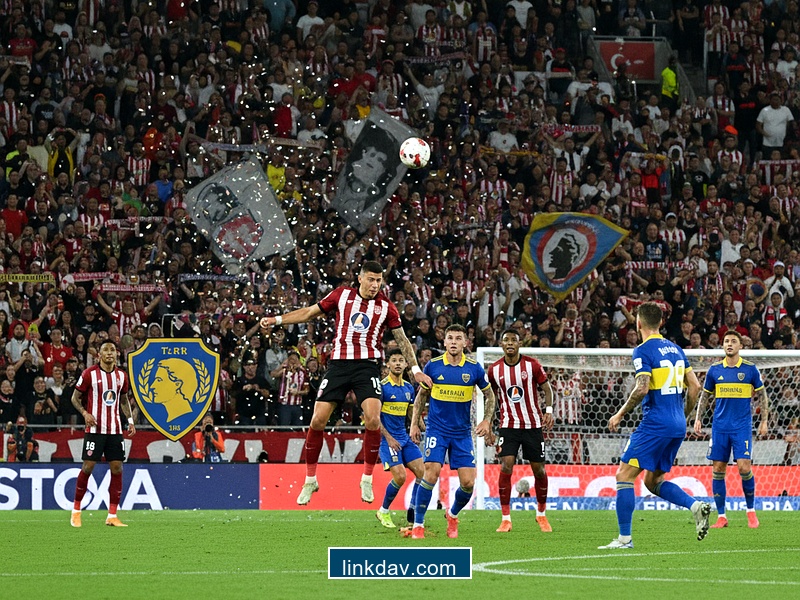
Modern football is a sterilized landscape. It is a world where crests are smoothed down into corporate logos, designed not for the beating heart of a woolen jersey, but for the tiny, glowing square of a smartphone app. We see geometric shapes, abstract animals, and sanitized typography. But look closer. In the corners of the globe, amidst the rampant commercialism, there remain the ghosts.
A recent query in the footballing ether sparked a fascinating conversation: which clubs dare to put a human face on their badge? This is not merely a trivia question. It is an exploration of the sport’s soul. When a club chooses a face, they are not choosing a mascot. They are choosing a patron saint, a martyr, or a memory that refuses to fade. They are pinning a human life to their chest and saying, "We play for him."
The Hanged Poet of Cyprus
The catalyst for this discussion—and arguably the most poignant example in world football—is Pafos FC. Their badge features a young man in profile. He looks calm, stoic. This is not a generic footballer. This is Evagoras Pallikarides.
To understand the weight of this, you must understand the tragedy. Pallikarides was not a striker or a goalkeeper. He was a poet and a guerrilla fighter against British colonial rule in Cyprus. In 1957, at the age of 19, he was the last person to be hanged by the British in Cyprus.
"I will follow a path uphill, a path that leads to freedom or death." — Evagoras Pallikarides
When Pafos FC formed in 2014 (a merger involving AEP Paphos), they didn't choose a lion to represent strength. They chose the boy who walked to the gallows singing the Greek national anthem. Every time a Pafos player steps onto the pitch, they carry the weight of that colonial resistance. It is a haunting, beautiful reminder that football clubs are often the repositories of local trauma and local pride.
Of Myths and Indigenous Kings
While Pafos offers historical tragedy, others turn to mythology to define their character. We know the profile of Ajax Amsterdam. The Greek hero, drawn in eleven distinct lines to represent the eleven players on the pitch. But consider the story of Ajax the Great. He was the strongest of all the Achaeans, second only to Achilles.
His story is not one of glorious conquest, but of madness and suicide. He killed himself out of shame after being tricked by the gods. By wearing his face, the Dutch giants embrace a complex narrative: greatness, yes, but greatness that teeters constantly on the edge of self-destruction. Anyone who has watched Ajax implode in a European semi-final knows how fitting that profile truly is.
Then shift the gaze to South America. In Chile, the badge of Colo-Colo stares back at you with intense, dark eyes. This is the Mapuche Toqui (chief) who led the resistance against the Spanish conquistadors in the 16th century. He was never defeated in battle.
In a continent often defined by its colonial past, Colo-Colo stands as a monument to indigenous power. The "Eternal Champion" carries the spirit of a warrior who refused to kneel. This is the antithesis of the modern, sanitized franchise. This is blood and soil.
The Stat Pack: Faces of the Game
It is rare to find the human form in football heraldry. Here is a breakdown of the clubs that refuse to hide behind abstract geometry, and the figures they immortalize.
| Club | The Face | The Narrative Significance |
|---|---|---|
| Pafos FC (Cyprus) | Evagoras Pallikarides | A 19-year-old poet and freedom fighter hanged by the British in 1957. |
| Ajax (Netherlands) | Ajax the Great | Greek mythological hero. Represents strength, but also tragic pride. |
| Colo-Colo (Chile) | Colocolo | Mapuche chief who resisted Spanish conquest. A symbol of indigenous defiance. |
| Sampdoria (Italy) | Baciccia | A silhouette of a typical Genoese sailor smoking a pipe. Represents the working-class port city. |
| Atalanta (Italy) | Atalanta | The Greek huntress and runner. A rare female icon in male sports heraldry. |
| Kaizer Chiefs (South Africa) | Generic Indigenous Chief | Though visually generic, it links directly to founder Kaizer Motaung and the club's "Amakhosi" (Chiefs) identity. |
Deep Dive: The War on Memory
Why does this matter? Because we are living through the Great Simplification. Look at Juventus. They stripped away the bull of Turin, the crown, and the stripes, replacing them with a stylized 'J'. Look at Inter Milan's rebrand. The detail is gone. The humanity is gone.
Marketing agencies call this "digital optimization." They argue that a face like Baciccia on the Sampdoria crest—a pipe-smoking sailor with messy hair—is too cluttered for global branding. They want clean lines that sell caps in Shanghai and hoodies in Los Angeles.
But when you remove the face, you sever the root. These badges with human countenances are acts of rebellion against modern football's drift toward nothingness. They force the viewer to ask: "Who is that?" The answer requires a history lesson. It requires storytelling. A 'J' tells no story. The face of an executed teenage poet screams a story that demands to be heard. By keeping these faces, clubs like Pafos and Colo-Colo are prioritizing their local identity over global marketability. In 2025, that is a courageous tactical stance.
Fan Pulse: The Tribe and The Totem
Walk among the ultras of Sampdoria in the gradinata sud. The silhouette of Baciccia is everywhere. It is tattooed on skin; it is sprayed on walls. The mood is not one of corporate loyalty, but of tribal ancestry. They do not cheer for a franchise; they cheer for the sailor, the archetype of their fathers and grandfathers who worked the docks of Genoa.
Modern football is a sterilized landscape. It is a world where crests are smoothed down into corporate logos, designed not for the beating heart of a woolen jersey, but for the tiny, glowing square of a smartphone app. We see geometric shapes, abstract animals, and sanitized typography. But look closer. In the corners of the globe, amidst the rampant commercialism, there remain the ghosts.
A recent query in the footballing ether sparked a fascinating conversation: which clubs dare to put a human face on their badge? This is not merely a trivia question. It is an exploration of the sport’s soul. When a club chooses a face, they are not choosing a mascot. They are choosing a patron saint, a martyr, or a memory that refuses to fade. They are pinning a human life to their chest and saying, "We play for him."
The Hanged Poet of Cyprus
The catalyst for this discussion—and arguably the most poignant example in world football—is Pafos FC. Their badge features a young man in profile. He looks calm, stoic. This is not a generic footballer. This is Evagoras Pallikarides.
To understand the weight of this, you must understand the tragedy. Pallikarides was not a striker or a goalkeeper. He was a poet and a guerrilla fighter against British colonial rule in Cyprus. In 1957, at the age of 19, he was the last person to be hanged by the British in Cyprus.
"I will follow a path uphill, a path that leads to freedom or death." — Evagoras Pallikarides
When Pafos FC formed in 2014 (a merger involving AEP Paphos), they didn't choose a lion to represent strength. They chose the boy who walked to the gallows singing the Greek national anthem. Every time a Pafos player steps onto the pitch, they carry the weight of that colonial resistance. It is a haunting, beautiful reminder that football clubs are often the repositories of local trauma and local pride.
Of Myths and Indigenous Kings
While Pafos offers historical tragedy, others turn to mythology to define their character. We know the profile of Ajax Amsterdam. The Greek hero, drawn in eleven distinct lines to represent the eleven players on the pitch. But consider the story of Ajax the Great. He was the strongest of all the Achaeans, second only to Achilles.
His story is not one of glorious conquest, but of madness and suicide. He killed himself out of shame after being tricked by the gods. By wearing his face, the Dutch giants embrace a complex narrative: greatness, yes, but greatness that teeters constantly on the edge of self-destruction. Anyone who has watched Ajax implode in a European semi-final knows how fitting that profile truly is.
Then shift the gaze to South America. In Chile, the badge of Colo-Colo stares back at you with intense, dark eyes. This is the Mapuche Toqui (chief) who led the resistance against the Spanish conquistadors in the 16th century. He was never defeated in battle.
In a continent often defined by its colonial past, Colo-Colo stands as a monument to indigenous power. The "Eternal Champion" carries the spirit of a warrior who refused to kneel. This is the antithesis of the modern, sanitized franchise. This is blood and soil.
The Stat Pack: Faces of the Game
It is rare to find the human form in football heraldry. Here is a breakdown of the clubs that refuse to hide behind abstract geometry, and the figures they immortalize.
| Club | The Face | The Narrative Significance |
|---|---|---|
| Pafos FC (Cyprus) | Evagoras Pallikarides | A 19-year-old poet and freedom fighter hanged by the British in 1957. |
| Ajax (Netherlands) | Ajax the Great | Greek mythological hero. Represents strength, but also tragic pride. |
| Colo-Colo (Chile) | Colocolo | Mapuche chief who resisted Spanish conquest. A symbol of indigenous defiance. |
| Sampdoria (Italy) | Baciccia | A silhouette of a typical Genoese sailor smoking a pipe. Represents the working-class port city. |
| Atalanta (Italy) | Atalanta | The Greek huntress and runner. A rare female icon in male sports heraldry. |
| Kaizer Chiefs (South Africa) | Generic Indigenous Chief | Though visually generic, it links directly to founder Kaizer Motaung and the club's "Amakhosi" (Chiefs) identity. |
Deep Dive: The War on Memory
Why does this matter? Because we are living through the Great Simplification. Look at Juventus. They stripped away the bull of Turin, the crown, and the stripes, replacing them with a stylized 'J'. Look at Inter Milan's rebrand. The detail is gone. The humanity is gone.
Marketing agencies call this "digital optimization." They argue that a face like Baciccia on the Sampdoria crest—a pipe-smoking sailor with messy hair—is too cluttered for global branding. They want clean lines that sell caps in Shanghai and hoodies in Los Angeles.
But when you remove the face, you sever the root. These badges with human countenances are acts of rebellion against modern football's drift toward nothingness. They force the viewer to ask: "Who is that?" The answer requires a history lesson. It requires storytelling. A 'J' tells no story. The face of an executed teenage poet screams a story that demands to be heard. By keeping these faces, clubs like Pafos and Colo-Colo are prioritizing their local identity over global marketability. In 2025, that is a courageous tactical stance.
Fan Pulse: The Tribe and The Totem
Walk among the ultras of Sampdoria in the gradinata sud. The silhouette of Baciccia is everywhere. It is tattooed on skin; it is sprayed on walls. The mood is not one of corporate loyalty, but of tribal ancestry. They do not cheer for a franchise; they cheer for the sailor, the archetype of their fathers and grandfathers who worked the docks of Genoa.