
FIFA has once again called the bluff of the global football community, and the community has folded immediately. The headline figure—five million ticket requests in a single day—is not a celebration of the sport’s popularity; it is a cold, hard data point proving that the governing body’s pricing strategy is practically bulletproof. Despite the vehement rhetoric from supporters' groups labeling the pricing structure "scandalous," the market behavior suggests otherwise. We are witnessing the weaponization of loyalty.
From a tactical perspective, FIFA operates with a strategy that would make a pressing Jurgen Klopp side jealous: they apply relentless pressure on the consumer's wallet, knowing full well the defense will crumble. The sheer volume of requests indicates that for the World Cup, the laws of standard economics simply do not apply. We are dealing with a product that has zero substitutes. You cannot go watch the "alternative" World Cup. This monopoly allows FIFA to push price floors to unprecedented levels without seeing a drop in demand volume.
The Tactical Defect: Pricing Out the Atmosphere
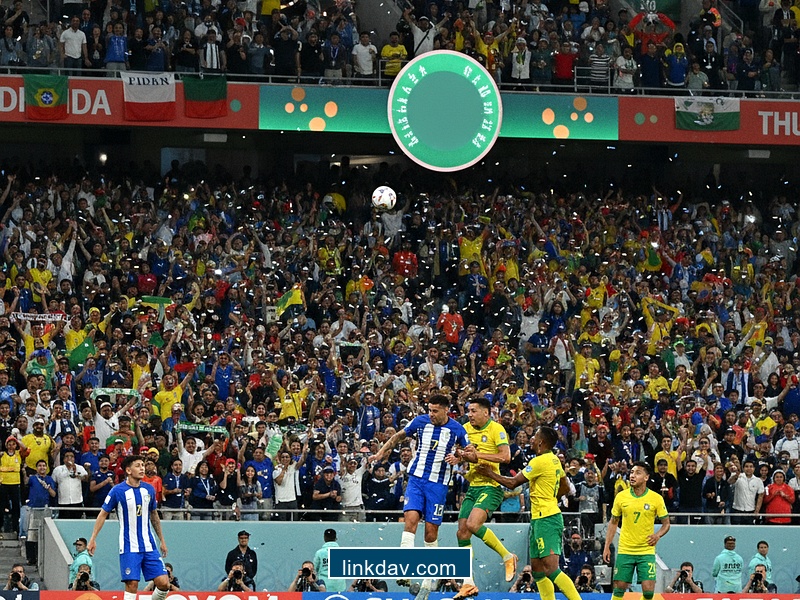
While the revenue charts will look green, the on-pitch product faces a legitimate threat. We must analyze the correlation between ticket pricing and stadium atmosphere. Historically, the noise, color, and hostility of a World Cup crowd are generated by the working-class demographic—the "legacy fans" who organize chants and create the visual wall of intimidation that can genuinely influence a match's outcome.
When you price these groups out, you engage in the tactical gentrification of the stadium. You replace the active participant (the Ultra) with the passive consumer (the tourist). This shifts the "Home Advantage" metric. A stadium filled with corporate clients and affluent neutrals does not press the referee. It does not intimidate the opposition winger. It politely applauds.
We saw glimpses of this sterility in previous high-cost finals. If the World Cup continues to cater exclusively to those who can afford "scandalous" prices, we will see a decline in the frantic, chaotic energy that makes international football unpredictable. The stands become a theater, not a cauldron. For a tactical analyst, this changes how teams prepare. Playing against Argentina in a stadium of wealthy neutrals is vastly different from playing them in a stadium packed with fanatics who spent their life savings to be there. FIFA is selling a premium product while simultaneously diluting the very ingredient—passion—that makes it premium.
The Stat Pack: Inflation vs. Allocation
To understand the anger of the supporters' groups, we cannot rely on sentiment; we must look at the financial spread. The "scandal" is not just the high prices, but the shrinking allocation of affordable seats relative to corporate hospitality and Category 1 seating.
| Metric | The "People's Game" Era | The Modern Era | Tactical Implication |
|---|---|---|---|
| Demand Volume (24h) | ~1-2 Million | 5 Million+ | Higher competition leads to panic buying. |
| Affordability Index | Moderate | Severe Strain | Fans sacrifice other spending to attend. |
| Ticket Categorization | Broad General Admission | Tiered/Corporate Heavy | Segregates fans based on income, not loyalty. |
| Scalper/Resale Markup | 2x - 3x Face Value | 10x - 20x Face Value | Creates a secondary black market economy. |
The data above illustrates a clear trajectory. While capacity has increased, the "real" accessibility for the average fan has plummeted. The 5 million requests suggest that fans are entering a lottery they are statistically unlikely to win, for a product they can barely afford. It is a masterclass in exploiting demand elasticity.
Fan Pulse: The FOMO and the Fury
The mood among the fanbase is a paradoxical mix of fury and desperation. Supporters' groups are correct to label the pricing structure "scandalous." When you break down the cost per minute of action relative to the average monthly wage in many participating nations, the numbers are grotesque. Yet, the "Fan Pulse" isn't a flatline; it's racing.
Fear Of Missing Out (FOMO) is the most powerful tactical lever FIFA possesses. Fans hate the organization, they despise the corruption allegations of the past, and they loathe the commercialization. But they love the tournament. This cognitive dissonance is what drives the 5 million figure.
"It’s a hostage situation. We know we are being ripped off. We know the pricing excludes the youth and the working class. But if you don't apply today, you don't go. And missing a World Cup feels like missing a chapter of your own life." — Anonymous Fan Forum Moderator.
This sentiment explains why protests rarely translate into empty seats. In club football, a boycott can hurt a team's bottom line. In international tournament football, there is always someone else waiting in line with a credit card. The queue is 5 million deep.
Deep Dive: The Future of the "Global Stadium"
The implications of this demand surge extend far beyond this specific tournament cycle. It validates a business model that views the matchday fan not as a supporter, but as a luxury client. We are moving toward the "Super Bowl-ification" of the World Cup.
In the US Super Bowl model, the crowd is largely corporate, the halftime show is as important as the game, and the atmosphere is synthetic. FIFA's pricing structure is nudging the World Cup in this direction. The 5 million requests signal to FIFA executives that they have not yet found the price ceiling. They can go higher.
This creates a dangerous feedback loop. As prices rise, only the wealthy attend. As only the wealthy attend, the "product" on TV looks different—less raw, more polished. This might appeal to advertisers, but it alienates the grassroots culture that produces the players in the first place.
Tactically, this is a short-term win for FIFA's bank balance but a long-term risk for the sport's soul. If the World Cup becomes an event for the elites, played by millionaires, watched by billionaires, it severs the connection to the streets where the game is learned. Five million requests in one day is a statistic of success, yes. But it is also a warning siren that the game is rapidly moving out of reach for the people who made it beautiful.
FIFA has once again called the bluff of the global football community, and the community has folded immediately. The headline figure—five million ticket requests in a single day—is not a celebration of the sport’s popularity; it is a cold, hard data point proving that the governing body’s pricing strategy is practically bulletproof. Despite the vehement rhetoric from supporters' groups labeling the pricing structure "scandalous," the market behavior suggests otherwise. We are witnessing the weaponization of loyalty.
From a tactical perspective, FIFA operates with a strategy that would make a pressing Jurgen Klopp side jealous: they apply relentless pressure on the consumer's wallet, knowing full well the defense will crumble. The sheer volume of requests indicates that for the World Cup, the laws of standard economics simply do not apply. We are dealing with a product that has zero substitutes. You cannot go watch the "alternative" World Cup. This monopoly allows FIFA to push price floors to unprecedented levels without seeing a drop in demand volume.
The Tactical Defect: Pricing Out the Atmosphere
While the revenue charts will look green, the on-pitch product faces a legitimate threat. We must analyze the correlation between ticket pricing and stadium atmosphere. Historically, the noise, color, and hostility of a World Cup crowd are generated by the working-class demographic—the "legacy fans" who organize chants and create the visual wall of intimidation that can genuinely influence a match's outcome.
When you price these groups out, you engage in the tactical gentrification of the stadium. You replace the active participant (the Ultra) with the passive consumer (the tourist). This shifts the "Home Advantage" metric. A stadium filled with corporate clients and affluent neutrals does not press the referee. It does not intimidate the opposition winger. It politely applauds.
We saw glimpses of this sterility in previous high-cost finals. If the World Cup continues to cater exclusively to those who can afford "scandalous" prices, we will see a decline in the frantic, chaotic energy that makes international football unpredictable. The stands become a theater, not a cauldron. For a tactical analyst, this changes how teams prepare. Playing against Argentina in a stadium of wealthy neutrals is vastly different from playing them in a stadium packed with fanatics who spent their life savings to be there. FIFA is selling a premium product while simultaneously diluting the very ingredient—passion—that makes it premium.
The Stat Pack: Inflation vs. Allocation
To understand the anger of the supporters' groups, we cannot rely on sentiment; we must look at the financial spread. The "scandal" is not just the high prices, but the shrinking allocation of affordable seats relative to corporate hospitality and Category 1 seating.
| Metric | The "People's Game" Era | The Modern Era | Tactical Implication |
|---|---|---|---|
| Demand Volume (24h) | ~1-2 Million | 5 Million+ | Higher competition leads to panic buying. |
| Affordability Index | Moderate | Severe Strain | Fans sacrifice other spending to attend. |
| Ticket Categorization | Broad General Admission | Tiered/Corporate Heavy | Segregates fans based on income, not loyalty. |
| Scalper/Resale Markup | 2x - 3x Face Value | 10x - 20x Face Value | Creates a secondary black market economy. |
The data above illustrates a clear trajectory. While capacity has increased, the "real" accessibility for the average fan has plummeted. The 5 million requests suggest that fans are entering a lottery they are statistically unlikely to win, for a product they can barely afford. It is a masterclass in exploiting demand elasticity.
Fan Pulse: The FOMO and the Fury
The mood among the fanbase is a paradoxical mix of fury and desperation. Supporters' groups are correct to label the pricing structure "scandalous." When you break down the cost per minute of action relative to the average monthly wage in many participating nations, the numbers are grotesque. Yet, the "Fan Pulse" isn't a flatline; it's racing.
Fear Of Missing Out (FOMO) is the most powerful tactical lever FIFA possesses. Fans hate the organization, they despise the corruption allegations of the past, and they loathe the commercialization. But they love the tournament. This cognitive dissonance is what drives the 5 million figure.
"It’s a hostage situation. We know we are being ripped off. We know the pricing excludes the youth and the working class. But if you don't apply today, you don't go. And missing a World Cup feels like missing a chapter of your own life." — Anonymous Fan Forum Moderator.
This sentiment explains why protests rarely translate into empty seats. In club football, a boycott can hurt a team's bottom line. In international tournament football, there is always someone else waiting in line with a credit card. The queue is 5 million deep.
Deep Dive: The Future of the "Global Stadium"
The implications of this demand surge extend far beyond this specific tournament cycle. It validates a business model that views the matchday fan not as a supporter, but as a luxury client. We are moving toward the "Super Bowl-ification" of the World Cup.
In the US Super Bowl model, the crowd is largely corporate, the halftime show is as important as the game, and the atmosphere is synthetic. FIFA's pricing structure is nudging the World Cup in this direction. The 5 million requests signal to FIFA executives that they have not yet found the price ceiling. They can go higher.
This creates a dangerous feedback loop. As prices rise, only the wealthy attend. As only the wealthy attend, the "product" on TV looks different—less raw, more polished. This might appeal to advertisers, but it alienates the grassroots culture that produces the players in the first place.
Tactically, this is a short-term win for FIFA's bank balance but a long-term risk for the sport's soul. If the World Cup becomes an event for the elites, played by millionaires, watched by billionaires, it severs the connection to the streets where the game is learned. Five million requests in one day is a statistic of success, yes. But it is also a warning siren that the game is rapidly moving out of reach for the people who made it beautiful.