
There was a time, not so long ago, when the announcement of a starting XI was a moment of simple curiosity rather than widespread panic. In the smoke-filled pubs of the 1990s, team news traveled slowly, often arriving via the crackle of a transistor radio or the pixelated block text of Teletext page 302. You supported your team, you hoped the star striker was fit, and if he wasn't, you groaned and ordered another pint. The game was opaque. It was mysterious. It belonged to the managers and the players on the pitch.
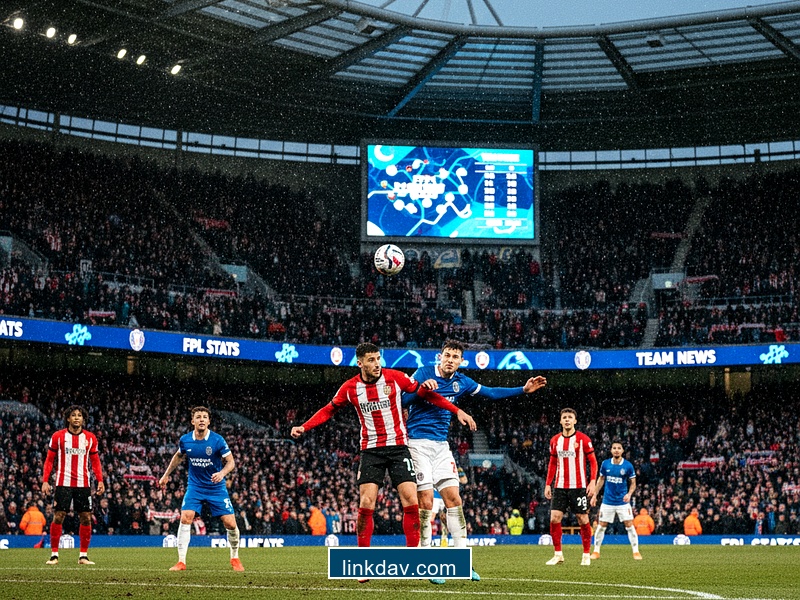
That era is dead and buried. Today, the consumption of the Premier League is dictated by a different master: the algorithm. The snippet of news from the BBC regarding "FPL stats and team news" seems innocuous enough, but it represents a seismic shift in the culture of the sport. We are no longer mere spectators; we have cast ourselves as shadow managers in a digital coliseum, obsessing over hamstrings and tactical tweaks of teams we claim to despise. The modern fan does not just watch the match; they audit it.
The Mercenary Fanbase
The most profound change this data-driven obsession has wrought is the erosion of loyalty. History tells us that a Manchester United fan should view a Liverpool goal with disdain. Yet, walk into any sports bar today, and you will witness the bizarre spectacle of a Red Devil clenching a fist in quiet triumph when Mohamed Salah finds the net. Why? Because Salah is his "Captain" for the gameweek, and the double points outweigh the ancestral hatred.
This is the "gamification" of the sport at its most insidious. We have commodified the players. In the days of Alan Shearer or Thierry Henry, greatness was measured by the roar of the crowd and the league table. Now, a player’s worth is calculated by his price-to-points ratio. If a winger puts in a defensive masterclass, tracking back to secure a 1-0 win, the purist applauds. The FPL manager, however, curses him for failing to register an attacking return. The lens through which we view glory has been distorted.
The Tyranny of the "Stat Pack"
The demand for "all your stats in one place" speaks to an insatiable hunger for certainty in a game defined by chaos. We used to rely on the eye test. We knew Matt Le Tissier was brilliant because we saw him lob a goalkeeper from 30 yards, not because his "Expected Goal Involvement" (xGI) suggested it was a high-value action.
To understand how far we have drifted from traditional analysis, one must look at how we categorize player value today versus the "Golden Era" of the Premier League.
| Metric | The Old School (c. 1995) | The FPL Era (2024) |
|---|---|---|
| Primary Value | Goals scored, heart, leadership. | xG, xA, Bonus Points System (BPS). |
| The Manager's Role | Tactical genius or clueless fool. | "Fraud" (if they rotate key assets). |
| Defensive Perception | Tony Adams raising his hand for offside. | Searching for "Clean Sheet probability." |
| Injury News | A rumour in the Sunday papers. | Scanning training photos for bib colours. |
The tragedy here is that the romance of the "unknown" is gone. We have quantified the magic out of the game. A lucky deflection is no longer a moment of fortune; it is an "underperformance on xG" that will statistically regress to the mean. We are smarter, undoubtedly. But are we happier?
The Managerial Disconnect
Consider the plight of the modern manager. In the era of Ferguson and Wenger, the starting lineup was consistent. You knew who was playing. Today, the likes of Pep Guardiola and Mikel Arteta treat their squads like chess pieces, rotating constantly to survive the grueling schedule. From a footballing history perspective, this is sensible squad management. From the perspective of the modern fan-consumer, this is treason.
The term "Pep Roulette" has entered the lexicon not as a compliment to Manchester City's depth, but as a pejorative cry of frustration from millions of keyboard managers. When a star player is benched, the reaction online is vitriolic. It highlights a widening chasm between the objectives of the club (winning trophies) and the objectives of the audience (winning mini-leagues). The "Team News" section is the battleground where these two realities collide.
Fan Pulse: The Collective Anxiety
As we approach the weekend deadline, the mood across the fanbase is not one of excitement, but of neurosis. The modern pre-match ritual involves refreshing Twitter feeds for "leaked" line-ups, analyzing press conference quotes for hidden meanings, and making panic transfers at 10:59 AM.
"The game has ceased to be a release from the stress of the work week; it has become a second job where the currency is points and the boss is an unpredictable Norwegian striker."
There is a manic energy to this new consumption. Forums are ablaze with mathematical models debating whether to captain a reliable midfielder or a volatile striker. It is a far cry from the terraces of the 80s, where the only debate was whether the pie was lukewarm or stone cold.
The Verdict on the Data Age
We cannot turn back the clock. The Pandora's box of data has been opened, and the genie
There was a time, not so long ago, when the announcement of a starting XI was a moment of simple curiosity rather than widespread panic. In the smoke-filled pubs of the 1990s, team news traveled slowly, often arriving via the crackle of a transistor radio or the pixelated block text of Teletext page 302. You supported your team, you hoped the star striker was fit, and if he wasn't, you groaned and ordered another pint. The game was opaque. It was mysterious. It belonged to the managers and the players on the pitch.
That era is dead and buried. Today, the consumption of the Premier League is dictated by a different master: the algorithm. The snippet of news from the BBC regarding "FPL stats and team news" seems innocuous enough, but it represents a seismic shift in the culture of the sport. We are no longer mere spectators; we have cast ourselves as shadow managers in a digital coliseum, obsessing over hamstrings and tactical tweaks of teams we claim to despise. The modern fan does not just watch the match; they audit it.
The Mercenary Fanbase
The most profound change this data-driven obsession has wrought is the erosion of loyalty. History tells us that a Manchester United fan should view a Liverpool goal with disdain. Yet, walk into any sports bar today, and you will witness the bizarre spectacle of a Red Devil clenching a fist in quiet triumph when Mohamed Salah finds the net. Why? Because Salah is his "Captain" for the gameweek, and the double points outweigh the ancestral hatred.
This is the "gamification" of the sport at its most insidious. We have commodified the players. In the days of Alan Shearer or Thierry Henry, greatness was measured by the roar of the crowd and the league table. Now, a player’s worth is calculated by his price-to-points ratio. If a winger puts in a defensive masterclass, tracking back to secure a 1-0 win, the purist applauds. The FPL manager, however, curses him for failing to register an attacking return. The lens through which we view glory has been distorted.
The Tyranny of the "Stat Pack"
The demand for "all your stats in one place" speaks to an insatiable hunger for certainty in a game defined by chaos. We used to rely on the eye test. We knew Matt Le Tissier was brilliant because we saw him lob a goalkeeper from 30 yards, not because his "Expected Goal Involvement" (xGI) suggested it was a high-value action.
To understand how far we have drifted from traditional analysis, one must look at how we categorize player value today versus the "Golden Era" of the Premier League.
| Metric | The Old School (c. 1995) | The FPL Era (2024) |
|---|---|---|
| Primary Value | Goals scored, heart, leadership. | xG, xA, Bonus Points System (BPS). |
| The Manager's Role | Tactical genius or clueless fool. | "Fraud" (if they rotate key assets). |
| Defensive Perception | Tony Adams raising his hand for offside. | Searching for "Clean Sheet probability." |
| Injury News | A rumour in the Sunday papers. | Scanning training photos for bib colours. |
The tragedy here is that the romance of the "unknown" is gone. We have quantified the magic out of the game. A lucky deflection is no longer a moment of fortune; it is an "underperformance on xG" that will statistically regress to the mean. We are smarter, undoubtedly. But are we happier?
The Managerial Disconnect
Consider the plight of the modern manager. In the era of Ferguson and Wenger, the starting lineup was consistent. You knew who was playing. Today, the likes of Pep Guardiola and Mikel Arteta treat their squads like chess pieces, rotating constantly to survive the grueling schedule. From a footballing history perspective, this is sensible squad management. From the perspective of the modern fan-consumer, this is treason.
The term "Pep Roulette" has entered the lexicon not as a compliment to Manchester City's depth, but as a pejorative cry of frustration from millions of keyboard managers. When a star player is benched, the reaction online is vitriolic. It highlights a widening chasm between the objectives of the club (winning trophies) and the objectives of the audience (winning mini-leagues). The "Team News" section is the battleground where these two realities collide.
Fan Pulse: The Collective Anxiety
As we approach the weekend deadline, the mood across the fanbase is not one of excitement, but of neurosis. The modern pre-match ritual involves refreshing Twitter feeds for "leaked" line-ups, analyzing press conference quotes for hidden meanings, and making panic transfers at 10:59 AM.
"The game has ceased to be a release from the stress of the work week; it has become a second job where the currency is points and the boss is an unpredictable Norwegian striker."
There is a manic energy to this new consumption. Forums are ablaze with mathematical models debating whether to captain a reliable midfielder or a volatile striker. It is a far cry from the terraces of the 80s, where the only debate was whether the pie was lukewarm or stone cold.
The Verdict on the Data Age
We cannot turn back the clock. The Pandora's box of data has been opened, and the genie