
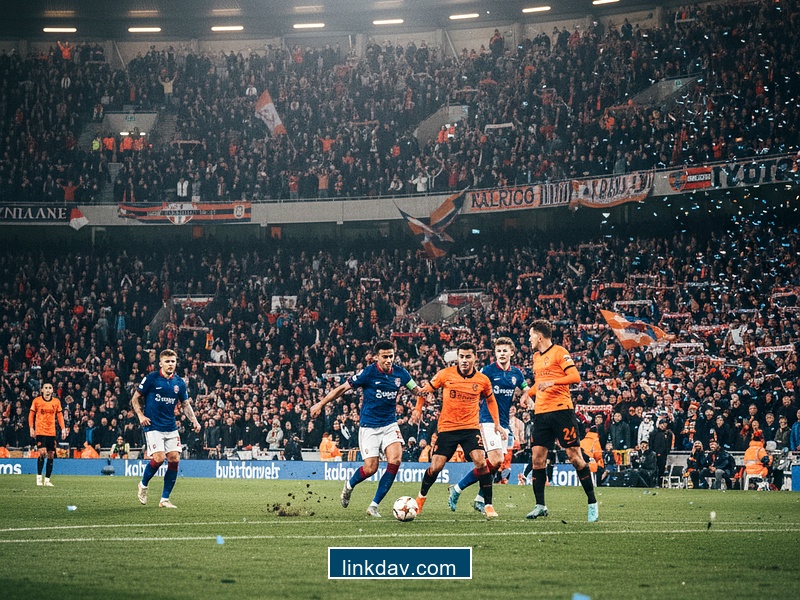
FIFA attempted to play an aggressively high line with their initial World Cup ticket pricing structure, looking to maximize commercial territory in the attacking third. However, they failed to account for the organized counter-press from the global fanbase, leaving their defensive transition completely exposed to accusations of betrayal. The resulting tactical shift represents a forced regression into a low block to protect the integrity of the tournament's atmosphere.
| Tactical Phase | FIFA's Strategy | Fanbase Reaction | Outcome |
|---|---|---|---|
| The Setup | High Line / Price Inflation | Compact Defensive Block | Market disconnection |
| The Transition | Slow tracking back | Rapid Counter-Press (Uproar) | PR Vulnerability |
| The Adjustment | Climbdown / Deep Defense | Regained Possession | Pricing Review |
Why The Numbers Matter
In modern football analysis, we often look at Expected Goals (xG) to determine the quality of chances created. Here, we must look at Expected Revenue (xR) versus the reality of Stadium Atmosphere Integrity (SAI). FIFA's initial blueprint prioritized xR to a degree that destabilized the structural balance of the event. By pushing ticket prices into what sources describe as "extortionate" territory, the governing body essentially played a formation without a midfield—disconnecting the premium executive tiers from the grassroots support that generates the tournament's energy.
The data suggests a massive miscalculation in the "pricing heat map." FIFA concentrated their activity in the ultra-high financial zones, neglecting the wider areas where the majority of the game is actually consumed. When the pricing structure creates a barrier of entry so high that it is labeled a "betrayal," it functions like a team failing to track runners into the box. The climbdown is not an act of benevolence; it is a statistical correction forced by the opposition exploiting a massive gap in the tactical setup.
Analyzing the High Line Failure
The initial strategy deployed by FIFA resembles a reckless 2-3-5 formation from the pre-offside trap era. By inflating prices, they committed too many bodies forward in search of profit. The report from Independent Football highlights the severity of this tactical indiscipline, noting the accusation of "betrayal." In tactical terms, this is the equivalent of a defensive error leading directly to a goal.
When an organization sets prices that alienate the core demographic, they lose control of the "half-spaces"—the area between corporate interest and fan engagement. The uproar wasn't chaotic; it was a structured pressing trap. The fans and media recognized the trigger (the price release) and swarmed the ball carrier immediately. FIFA, used to dictating the tempo of global football commerce, found themselves unable to play out from the back.
"FIFA was accused of ‘betrayal’... forcing a necessary change in shape to prevent a total loss of control."
The use of the word "betrayal" acts as a psychological disruptor. In a match scenario, this is the moment the captain loses the dressing room. The tactical coherence dissolves. FIFA anticipated a passive low block from the consumers—assuming fans would simply absorb the pressure of higher costs. Instead, they faced a high-intensity press that forced a turnover in dangerous territory.
The Structural Climbdown
We are now witnessing a mid-game adjustment. The "climbdown" is effectively a substitution: taking off an attacking winger (High Prices) and bringing on a holding midfielder (Price Review/Reduction) to stabilize the ship. This move shifts FIFA into a pragmatic 4-5-1. They are no longer looking to score with every interaction; the priority has shifted to damage limitation and retaining possession of the narrative.
This defensive shift acknowledges that the "pitch" has changed. The economic conditions and the collective voice of the supporters act as the playing surface. If the surface is hostile, you cannot play expansive football. You must simplify. The climbdown proves that even the most powerful governing bodies must respect the tactical geometry of supply and demand. If the gap between the lines—price and value—becomes too large, the opposition plays right through you.
Looking at the heat maps of this conflict, the intensity was highest in the social sectors and independent media zones. FIFA tried to bypass the midfield by launching long balls directly to revenue targets, but the interception rate by fan groups was near 100%. The subsequent retreat to lower pricing tiers is an admission that they lost the battle for territorial dominance.
<h2 style="font-size: 1.8rem; font-w